
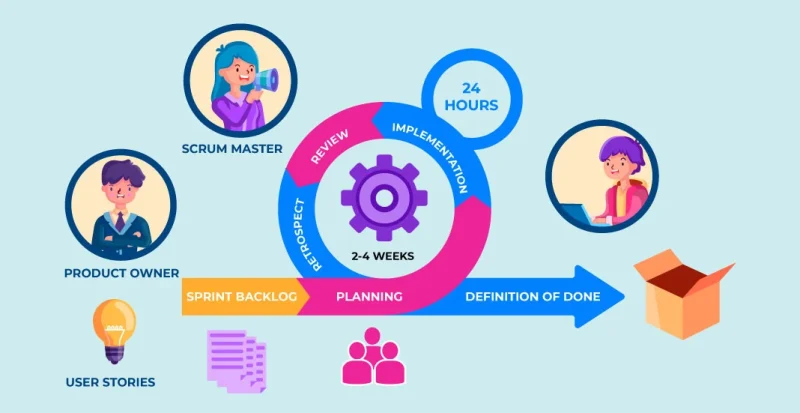
Agile methodologies have seen a significant rise in popularity across a multitude of industries, signaling a transformative approach to project management. This shift towards agile practices has fundamentally changed how organizations manage their projects, enabling them to attain heightened levels of flexibility. With agile, teams can swiftly adapt to evolving project requirements and market dynamics, which is increasingly critical in a fast-changing business environment.
At the heart of agile practices lies a strong emphasis on robust collaboration among team members, stakeholders, and clients. This collaborative framework fosters an environment of open communication, where feedback is actively encouraged and valued. Such an atmosphere is essential for identifying and resolving potential issues early in the development process, thereby minimizing risks and enhancing overall project quality. Regular interactions and discussions not only build trust but also ensure that everyone involved has a clear understanding of project goals and objectives.
Moreover, agile methodologies advocate for iterative processes that allow teams to divide projects into smaller, more manageable segments called iterations. Each iteration encompasses specific project tasks and culminates in the delivery of a functional product increment. After each iteration, teams conduct evaluations to assess what worked well and what could be improved. This practice of continuous assessment shortens the feedback loop, allowing for timely adjustments that ensure the final product closely aligns with the client’s needs and expectations.
The implications of adopting agile methodologies extend beyond just improving project delivery; they also enhance the organization’s ability to optimize processes continuously. By integrating regular reflection and adaptation into the workflow, teams are better equipped to drive innovation and respond to unforeseen challenges that may arise during the project lifecycle. Consequently, agile practices are not merely tools for meeting deadlines; they are vital components that empower teams to maximize value for clients while maintaining responsiveness in today’s fast-paced and ever-evolving business landscape. This continuous focus on improvement not only meets client demands but also positions organizations to thrive amid uncertainty and change.